

Drought linked to 46% increase in sexual violence among adolescents in Southern Africa
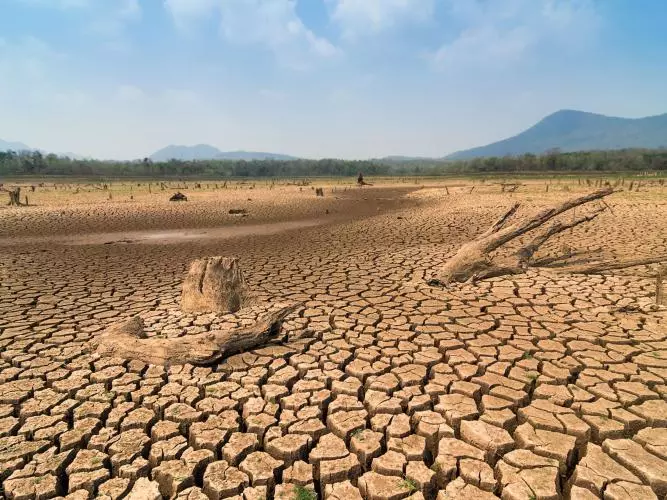
Study reveals climate change is increasing risks to child safety
New research led by DSPI's Dr Bothaina Eltigani provides the first quantitative evidence that drought exposure over the last 12 months is associated with increased risk of sexual, emotional and physical violence among adolescents in Southern Africa. This risk rises substantially during cumulative droughts over 2 years.
Analysing data from over 20,000 adolescents (aged 13-24) in Zimbabwe, Mozambique and Lesotho, the study finds girls and young women, older adolescents (aged 18-24) and those living in rural areas face the highest risk of violence during drought conditions.
Water availability in Southern Africa is expected to decline by 30% by 2050 (IPCC). As water scarcity intensifies, levels of poverty, food insecurity and mental health distress increase - worsening inequalities, separating families, and driving harmful coping mechanisms such as child marriage, child labour, and forced migration. This is particularly alarming in sub-Saharan Africa, where an estimated 79 million girls experience sexual violence before age 18 (UNICEF) and 1 in 2 children experience a form of violence in the past year. The study highlights that climate change is intensifying this crisis for the region's 226 million adolescents.
Dr Bothaina Eltigani, DPhil student and researcher at DSPI, commented: 'As a doctor in Sudan, I saw how drought and water scarcity place enormous strain on families - especially in rural communities, where the burden is greatest and the risks to young people's safety often go unseen. While direct health effects of droughts are increasingly well-understood, the link to violence against adolescents remain largely unexplored and this study highlights how drought disproportionately affects already vulnerable groups.'
Key findings
Published in The Lancet Planetary Health, the study, 'Drought exposure and the risk of sexual, emotional, and physical violence against adolescents in Zimbabwe, Mozambique, and Lesotho: an observational study', found adolescents living in drought conditions experienced:
- 46% increase in sexual violence by non-partners
- 51% increase in emotional violence by partners in areas affected by drought, rising to 73% increase for non-partner emotional violence
- 39 % increase in physical violence by partners and 41% by non-partners
- Up to double the risk of experiencing all types of violence in regions affected by cumulative drought (over 24 months)
- Higher risk for girls (vs boys), particularly for non-partner sexual violence and partner and non-partner emotional violence
- Greater risk of several violence forms amongst older adolescents (aged 18-24 compared to those 13-17 years)
- Higher exposure to non-partner physical violence in rural areas, especially under severe drought conditions.
The research, undertaken by DPSI's Dr Bothania Eltigani, Roman Hoffmann (IIASA) and DSPI's Professor Lucie Cluver, also looks at how vulnerability differs across groups including by gender, age and location.
Dr Eltigani'As a doctor in Sudan, I saw how drought and water scarcity place enormous strain on families - especially in rural communities.'
Recommendations
The research highlights an urgent need for action: adolescent and youth-focused, gender-sensitive violence prevention strategies must be integrated into early warning systems with sustainable climate adaptation measures - particularly in regions facing prolonged drought. With climate change expected to increase both the frequency and severity of droughts in Southern Africa, integrating violence prevention into climate resilience strategies is essential.
This work was supported by the Natural Environment Research Council (NERC) [grant number NE/W004976/1] as part of the Agile Initiative at the Oxford Martin School.