

Unlocking the full potential of community health workers for Africa's adolescents
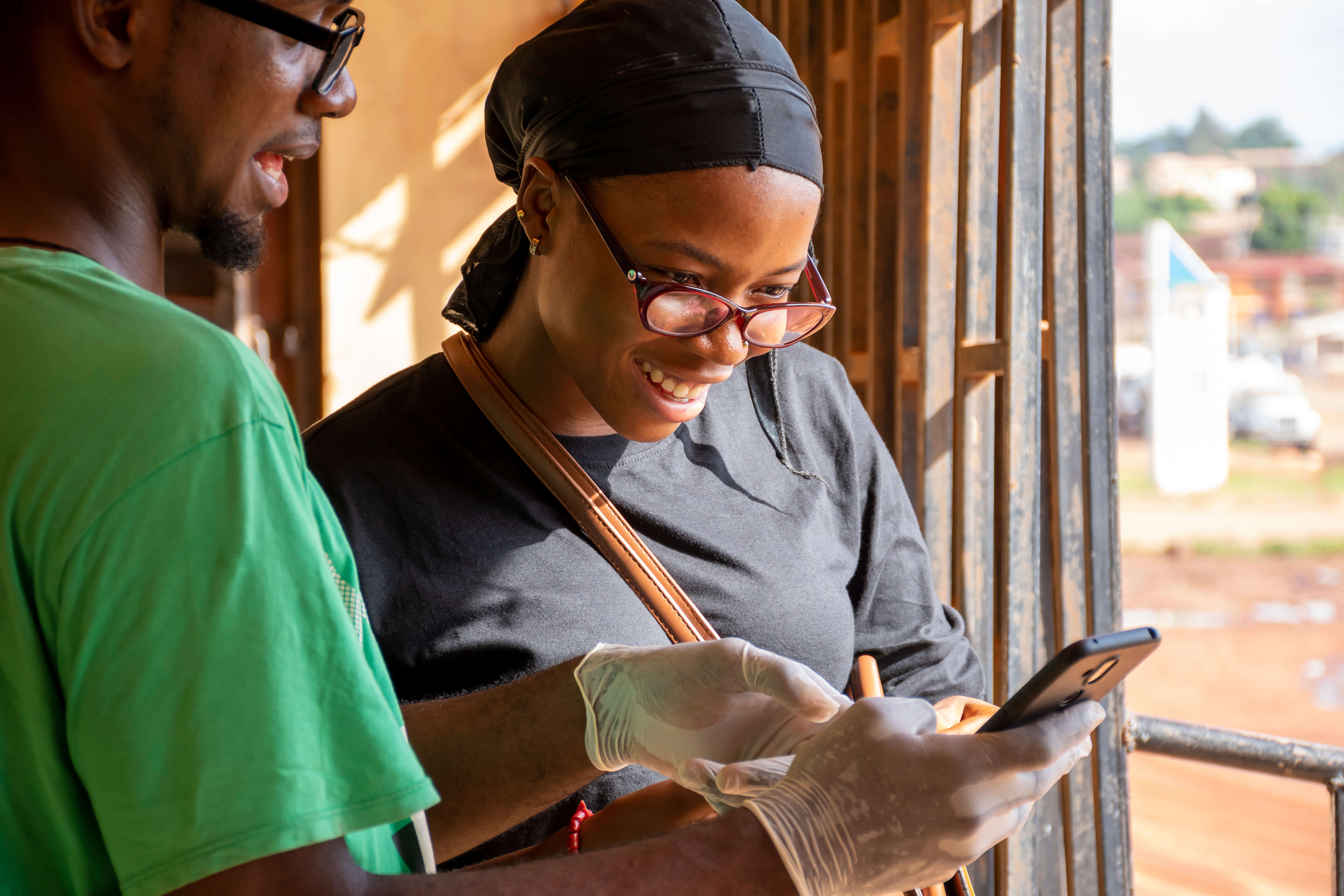
Credit: Confidence/ stock.adobe.com
New study identifies opportunities to strengthen adolescent health and well-being in Africa
Community health workers (CHWs) are central to advancing adolescent health and well-being across Africa. A new study, conducted by Accelerate Research Hub and involving researchers from the Department of Social Policy and Intervention (DSPI), offers clear guidance on where and how CHW services can most effectively improve adolescent health outcomes.
Published by UNICEF, 'Harnessing Community Health Workers to improve adolescent health and well-being in Africa', reviews existing CHW programmes across multiple health domains, examining their design, their effectiveness, and what adolescents value most. The review draws on evidence from 60 studies conducted over the past decade, including interventions led by peer CHWs (aged 24 years or under) as well as those led by adult CHWs (aged over 24).
'Adolescents are a critical population in Africa - both in terms of size but also because adolescence is a formative period that shapes lifelong health behaviours, values, and outcomes,' commented Dr Will Rudgard, Associate Professor of Climate Change and Child Health at DSPI. 'Yet many adolescents, especially girls, continue to face significant health challenges, often compounded by shortages of trained health professionals. Community health workers have a key role in extending health services beyond facilities and into communities.'
Review findings
This study analyses data showing how CHWs support adolescent health and well-being across sub-Saharan Africa, highlighting their ability to deliver essential services in settings with limited economic resources and shortages of trained health professionals. Key findings include:
- A wide range of programmes: CHW-led interventions operate in both community or school settings, and include household visits, education and counselling, care and service delivery.
- Programme characteristics: peer CHWs typically work in urban and rural contexts, and receive training lasting one day to two weeks. Adult CHWs more often serve rural settings and are more likely to have received training of more than a week.
- Different delivery models: most interventions are delivered by lay-peer CHWs who usually are volunteers with limited training and are supported by non-governmental organisations (NGOs). Adult CHWs are supported by a mix of government and NGOs.
- Strong mental health impact: CHW programmes are particularly effective in improving adolescent mental health. For example, group-based interventions reduced post-traumatic stress and depression symptoms among trauma-affected adolescents. Promising evidence also exists for HIV health outcomes.
- Strengths of peer CHWs: peer-led programmes helped build trust, reduce stigma, and improve access to sexual and reproductive health services. Adolescents reported feeling more comfortable with peers who normalised health concerns and provided discreet, youth-friendly support. Peers also helped empower adolescents emotionally.
- Role of adult CHWs: older CHWs played an important part in linking adolescents to services and offering structural support, although many often lacked training tailored to adolescent needs.
Dr Will Rudgard'Adolescents are a critical population in Africa - both in terms of size but also because adolescence is a formative period that shapes lifelong health behaviours, values, and outcomes.'
Recommendations
The researchers identified four key actions to strengthen the effectiveness of CHWs for adolescent health and well-being across Africa:
- Scale up effective CHW interventions: evidence shows CHWs can successfully deliver low-intensity interventions for adolescents experiencing trauma, isolation or stigma - helping to improve adolescent mental health. Matching adult and peer CHWs of the same sex can also increase acceptability.
- Strengthen integration into national health systems: clear role definitions, manageable workloads, and sustained supervision and support are essential to ensure CHW programmes are both effective and sustainable.
- Adopt gender-responsive approaches: as gender dynamics influence how adolescents engage with CHWs, programmes should help CHWs to build trust with girls and boys, improving engagement and outcomes.
- Invest in further research on adolescent well-being: more high-quality evaluations and gender-disaggregated analyses are needed to assess CHWs' impacts across a wider range of adolescent health and well-being outcomes. Additional qualitative research should capture adolescents' lived experiences and preferences, including those from marginalised groups such as LGBTQ+ adolescents and adolescents with disabilities, to ensure the success and inclusivity of future programmes.
Commenting on the review, Satvika Chalasani, Senior Adviser on Gender Equality at UNICEF, said: 'UNICEF recognises the exceptional potential of community health workers (CHWs) to expand effective support for adolescent health and well-being and gender equality across Africa. This review points to clear opportunities and calls for urgent investment in programming, especially for adolescent girls, and learning to inform how this platform should be strengthened and scaled in the future.'
This research was partially funded by the Bill & Melinda Gates Foundation (BMGF) through the UNICEF-BMGF Joint Investment Mechanism. Other DSPI researchers involved in the study include Professor Lucie Cluver, Yangxu Lin, Oluwatoni Adesina, Jenny Chen and Broline Sagini Adesina (consultant).