

Social Intervention and Policy Evaluation Doctoral study
Image

Credit: John Cairns
Our DPhil in Social Intervention and Policy Evaluation attracts graduate students from across the world. As a doctoral research student, you will be a key member of our academic community, fully involved and immersed in the life of our department, one of the top-ranked in its field.
We welcome DPhil candidates who are interested in a wide range of areas of social intervention and policy evaluation research.
Topics related to the world-leading expertise of our supervisors may focus on:
- policy and intervention research in areas such as violence and injury prevention
- neighbourhood and urban health
- reduction of poverty and social inequality
- alcohol and drug misuse
- mental health and antisocial behaviour in children and youth,
- parenting and family interventions including those delivered across the perinatal period
- school-based interventions
- HIV prevention
- AIDS-affected children
- the Sustainable Development goals
- violence against children and cross-cultural adaptation of interventions.
Methodological approaches that our supervisors have experience in include:
- Evaluation methodology
- Quantitative research methods
- Qualitative research methods
- Randomised controlled trials and advanced quasi-experimental methods
- Evidence synthesis, systematic reviews and critical appraisal of evidence
- Methods for designing, testing, and the cross-cultural adaptation of interventions
- Co-production and participatory research methods
Application deadline
Monday 7 January 2027, 12:00 midday UK time.
Before applying
Before applying, we strongly recommend:
- Learning more about our department to see if the methods, research areas, and expertise in our department aligns with your areas of interest.
- Familiarising yourself with the requirements to apply.
- Researching the research areas of potential supervisors using their profiles on our website. Supervisors will usually only support an application where there is a good fit with the research topics and methods they work with.
- Contacting your first-choice supervisor to determine supervisor fit and availability. Potential supervisors should be contacted by email, with a CV and a brief statement (up to 1 page) of your research interests, your proposed DPhil research, and the methods that you hope to use. Please also see our guidance on contacting supervisors and the Oxford University Careers Service website for further advice.
If you are starting the DPhil following a 1-year MSc, you will usually finish after 3-4 years. The graphic below gives an impression of the usual DPhil trajectory.
Image
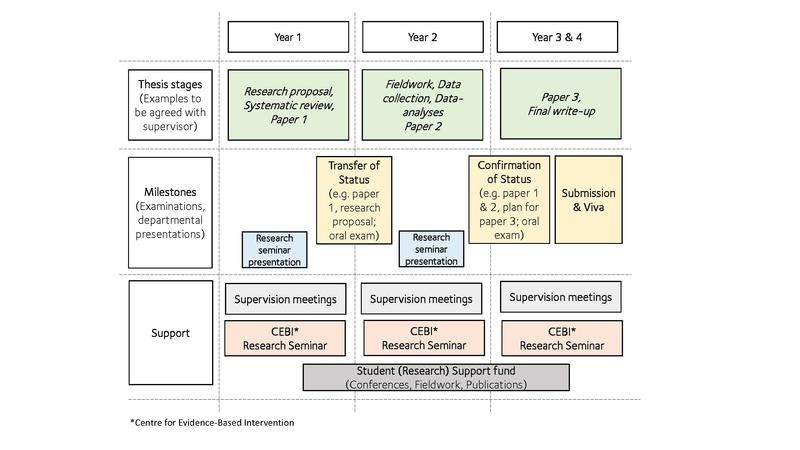
The DPhil programme is also available on a part-time basis. The part-time version of the degree has the same high standards and requirements as the full-time degree, but is spread over 6-8 years. If you are seeking the flexibility of part-time study, this degree is particularly well suited to you. Part-time study also provides an excellent opportunity if you are a professional looking to undertake rigorous long-term research that may be relevant to your working life. For more information, please contact admissions@spi.ox.ac.uk.
Our approach to graduate study focuses on your ability to work independently to explore and develop your research under an academic supervisor (or one primary supervisor and one co-supervisor).
Each member of academic staff has expertise in particular areas of social policy and intervention and you will only be accepted for a DPhil if there is an appropriate supervisor available. For this reason, before you apply, you should identify an academic member of staff who is willing and able to supervise your research. The guidance below outlines how to identify and contact potential supervisors.
Researching the areas of expertise of potential supervisors using their profiles on our website
Before applying, you should identify a potential supervisor whose research interests and methodological expertise align with your proposed project and check whether they are accepting students in the 2026–27 admissions cycle, either as a primary supervisor, a co-supervisor, or both.
As admission to the DPhil programme depends on the availability of suitable supervision, we encourage you to use the ‘Primary and Co-Supervisors’ drop-down below to identify potential supervisors and explore their research profiles on our website. Supervisors will usually only support applications that are a strong fit with their expertise.
Applicants should also note that the Department offers two distinct DPhil programmes. If you are applying to the DPhil in Social Intervention and Policy Evaluation, your proposed primary supervisor must be selected from the staff listed under the Primary and Co-Supervisors’ drop-down below.
Familiarising yourself with the requirements to apply
Before contacting potential supervisors, please first check that you meet the programme’s entry requirements on the University Website.
Contacting your first-choice supervisor to determine supervisor fit and availability
If you meet the programme's entry requirements and identify a supervisor whose expertise aligns with your proposed research and who is accepting new DPhil students, you should contact them by email and attach a CV and a brief summary of your proposed research. In your email, briefly explain how your proposed project aligns with the supervisor's research interests and expertise.
We strongly encourage you to carefully select and contact your potential academic supervisor before 1 December 2026. Supervisors will do their best to respond to all requests for supervision. They are more likely to reply to enquiries that provide relevant information and demonstrate a clear fit with their research areas and methodological expertise.
Please note that supervisors are not expected to provide detailed feedback on research proposals or application materials at this stage. If you do not hear back within two weeks, please assume that the supervisor is unlikely able to supervise your DPhil. This is often due to capacity and time constraints rather than the quality of the proposed research or the applicant.
Please do not send bulk emails to potential supervisors. Instead, contact supervisors individually with personalised emails that clearly explain the fit between your proposed research and their expertise. Each email should be tailored to the supervisor you are contacting. You should contact one potential supervisor at a time and allow up to two weeks for a response before approaching another supervisor. Supervisors have limited capacity, so the more care you take in identifying an appropriate supervisor, the greater your likelihood of securing their support.
Applying without prior supervisor support
If you have not secured potential supervisor support by the 1 December 2026, you may still apply to the DPhil programme, listing your first-choice supervisor. If this supervisor feels an application is particularly strong and well-aligned to their interests, they will make direct contact with you to determine support after you have applied. However, these cases are rare, and the department is unable to offer a place if there is no suitable supervisor who is willing to support your application.








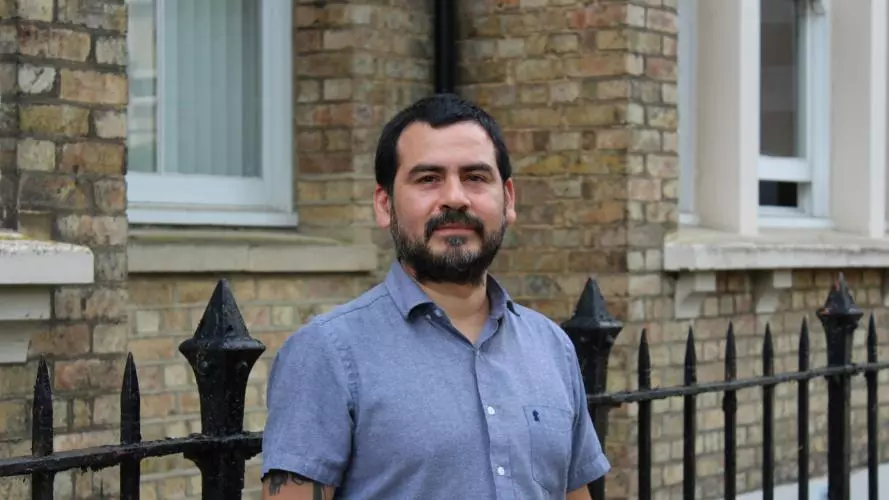


As a doctoral student, you will be offered a graduate programme for doctoral researchers, tailored to your individual needs as agreed with your supervisor. In addition to individual supervision, we offer a wide range of seminars, workshops and advanced training opportunities to enhance your graduate research experience. Further training and exchange opportunities are provided by colleges and the University.
DPhil students are also members of a college, providing opportunities for exchange with other students and fellows across disciplines. Oxford colleges offer a unique academic community. Student college membership ranges across the University as the DSPI has an association with many colleges.










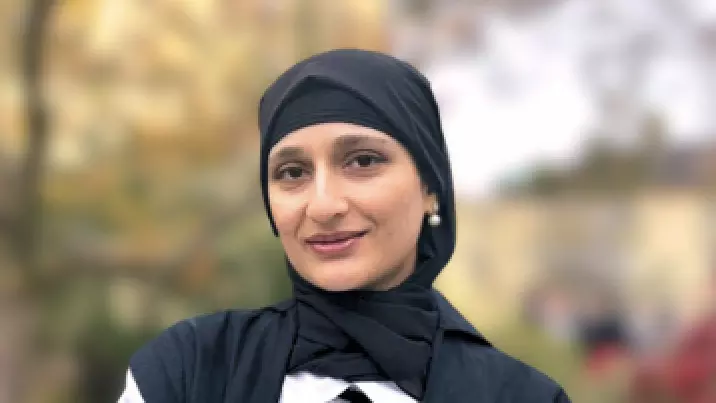




Many graduates of the DPhil programme in Social Intervention and Policy Evaluation go on to pursue academic careers in world-leading research universities. Other alumni hold influential positions in government, non-governmental and international organisations such as the World Bank, the World Health Organisation and the UN.
The DSPI, colleges and the University provide several scholarships for DPhil students. You can find out more on our Funding and Scholarships page.
You can find full details about how to apply to the full-time and part-time courses on the DPhil in Social Intervention and Policy Evaluation University Admissions page.